All Categories
Featured
Table of Contents
- – OCRV Center
- – Why Is My RV AC Not Cooling Properly?
- – Dirty Filters and Coils Blocking Airflow
- – How Dirt Builds Up Over Time
- – Quick Cleaning Steps for Immediate Relief
- – When Professional Deep Cleaning Is Needed
- – What Causes RV AC to Blow Warm Air?
- – Faulty Run or Start Capacitor
- – Symptoms and Testing Methods
- – Replacement Process and Parts
- – Evaporator Coil Freezing Issues
- – Restricted Airflow Causes
- – Defrost and Prevention Strategies
- – Electrical or Voltage Problems
- – Campground Power Fluctuations
- – Breaker and Wiring Checks
- – How to Fix RV AC Short Cycling
- – Oversized Unit or Load Imbalance
- – Sizing Guidelines for Motorhomes
- – Balancing Solutions
- – Dirty Condenser Coils
- – Exterior Cleaning Techniques
- – Impact on Cycle Times
- – Faulty Control Board or Relays
- – Diagnostic Tools
- – Repair vs. Replacement
- – Common Noises and Leaks in Motorhome AC Units
- – Fan Motor or Blower Noises
- – Bearing Wear Identification
- – Lubrication and Replacement
- – Condensate Drain Clogs and Water Leaks
- – Clearing Blockages
- – Sealing to Prevent Interior Damage
- – Compressor or Vibration Sounds
- – Mounting Checks
- – Isolation Techniques
- – RV AC Repair Costs and What to Expect
- – Breakdown of Typical Service Prices
- – Cleaning and Maintenance Range
- – Component Replacement Costs
- – Factors Influencing Final Quotes
- – Brand-Specific Parts
- – Emergency vs. Scheduled
- – Preventative Maintenance Tips for Motorhome AC
- – Regular Filter and Coil Cleaning
- – Seasonal Schedules for California Climates
- – Tools and Safety Precautions
- – Annual Professional Inspections
- – Comprehensive Checklists
- – Extending Unit Lifespan
- – Storage and Off-Season Prep
- – Winterization Steps
- – Spring Startup Best Practices
- – Choosing the Right RV Repair Service in Califo...
- – Importance of Certified Technicians
- – Refrigerant Handling Compliance
- – Brand-Specific Expertise
- – Benefits of Local Expertise Near Major Routes
- – Quick Access Along Freeways 5 & 91
- – Serving Extensive Areas
- – Our 6 Step RV AC Repair Process: What to Expect
- – Initial Inspection and Diagnostic Testing
- – Component Identification and Repair Planning
- – Execution with OEM Parts
- – Post-Repair Testing and Verification
- – Follow-Up Support
- – Final Quality Assurance
- – Areas We Serve Throughout Southern California
- – Orange County and Inland Empire Coverage
- – Broader Southern California Reach
- – Frequently Asked Questions About RV AC Repair
- – We Can Help! Contact Us Today.
- – OCRV Center
RV AC repair near me emerges as a critical need when a motorhome's cooling system breaks down on the road or at a campsite. Motorhome rooftop AC units experience relentless shaking from driving, dust accumulation from campgrounds, and variable voltage at hookups, creating common failures like reduced cooling or complete breakdown. This post explores the most typical failures in motorhome AC units, their primary triggers, and reliable remedies to restore reliable comfort. From basic maintenance steps to detailed analysis, the focus centers on actionable repairs that keep little concerns from escalating into serious breakdowns on the road.
Many motorhome owners face these difficulties during peak travel seasons, when heat turns the interior uncomfortable. Understanding common RV AC problems empowers quick action. Dirty components lead the failure categories, followed by electrical faults and refrigerant issues. Addressing them early saves effort and cost while maintaining safety and enjoyment. Proper troubleshooting and maintenance prolong equipment longevity and maintain reliable function across extended journeys.
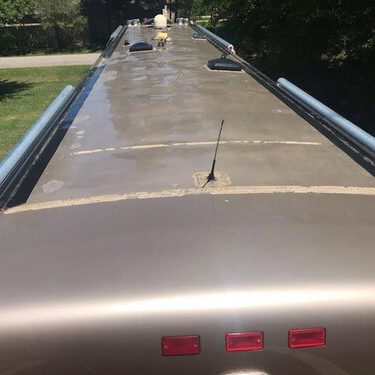
Why Is My RV AC Not Cooling Properly?
RV AC not cooling properly stands out as one of the top concerns among motorhome owners. The unit operates without adequately reducing interior heat, often due to blocked air movement or low refrigerant levels. Dust buildup from road driving clogs filters and coils, making the unit work harder without supplying cool air. Electrical inconsistencies from campground outlets add to the problem, while thermostat errors misread interior conditions. These issues collectively diminish performance dramatically, converting a cozy cabin into an overheated area. Plenty of owners see steady drop-off before complete failure occurs, underscoring the importance of proactive monitoring and consistent care practices.
Dirty Filters and Coils Blocking Airflow
Filters function as initial protection against airborne particles encountered during travel, trapping particles like dust, pollen, bugs, and grit that would otherwise circulate through the system. Evaporator coils inside the unit collect condensation along with contaminants, creating barriers that limit cooling efficiency and air movement. Blocked flow elevates system temperatures, causes the compressor to strain significantly, and finally produces insufficient cold air delivery. Perform monthly filter cleaning during active seasons by taking them out and washing gently, avoiding high pressure that bends fins. Use approved cleaner and soft brush with the system off. Expert deep cleaning accesses concealed sections, eliminates tough deposits, recovers full air movement, and frequently delivers clear cooling improvement. Routine maintenance of these elements avoids follow-on problems and maintains optimal RV air conditioner maintenance tips. For related rv maintenance guidance, review RV maintenance services.
How Dirt Builds Up Over Time
Contaminant buildup happens gradually through contact with roads, work sites, and camping areas. Buildup of dirt and matter covers surfaces and blocks passages, lowering performance well before clear signs emerge. Tracking accumulation allows early detection. Regular visual inspections during routine checks reveal accumulation trends specific to individual usage habits and travel routes.
Quick Cleaning Steps for Immediate Relief
Start with power disconnection, reaching the filter housing, and removing the filter media for inspection. Clean with gentle pressure to clear loose matter. Dry thoroughly to avoid mold risks. This process delivers quick air movement recovery leading to clear cooling gains in minutes. Consistent application during trips maintains steady performance.
When Professional Deep Cleaning Is Needed
Continued inadequate cooling after filter changes points to hidden coil obstruction needing professional tools and knowledge. Technicians employ non-corrosive cleaners, pressure-controlled rinsing, and full drying techniques to reinstate optimal cooling performance. This level of service addresses hidden restrictions that routine care cannot fully treat. Scheduling periodic professional attention increases equipment durability and prevents emergency repairs. Additional information on thorough upkeep is available through RV service options.
Industry data from RV technician associations reveal that blocked air movement causes over forty percent of cooling-related service calls in rooftop units. Following consistent maintenance schedules significantly reduces these occurrences and preserves system reliability. These common causes explain why many query reasons for poor RV cooling. Prompt action stops worsening into more complex failures. Contact specialists for a complimentary diagnostic on RV AC repair near me.
What Causes RV AC to Blow Warm Air?
RV AC blowing warm air creates immediate discomfort, especially as the fan keeps operating while cold air delivery ceases entirely. This issue signals malfunctions in temperature transfer functions or inadequate compressor function. Refrigerant charge decreases from minor leaks at joints or evaporator wear, eliminating the evaporation cooling effect essential for temperature reduction. Weak capacitors hinder sufficient motor initiation or ongoing motor performance, leading to poor output or total non-engagement. Collected debris on heat exchange surfaces blocks efficient heat transfer, further reducing performance. Power supply irregularities from campground sources or onboard inverters cause voltage reduction affecting compressor operation. Diagnosis commences with basic visual and auditory assessments before moving to pressure analysis, voltage testing, and component separation. Prolonged inactivity and seasonal storage hasten these issues by allowing seals to dry and contaminants to settle undisturbed.
Faulty Run or Start Capacitor
Capacitors store and discharge electrical energy to begin motor operation for compressor and fan and sustain steady function during operation. Aging or heat exposure reduces capacitance, leading to humming sounds without startup or sporadic reduced output. Symptoms and testing methods encompass visible bulging or leaking of the capacitor case, unusual humming during startup attempts, and meter tests revealing values under rated levels. Replacement demands matching exact microfarad and voltage specifications to maintain compatibility and protect system elements. Installation includes careful discharge of stored energy, taking out old components, attaching new units with appropriate hardware, and checking connections prior to system activation. This replacement commonly restores full cooling instantly and prevents recurring startup failures that frustrate owners during trips. Capacitor issues arise more commonly in systems facing temperature swings or power spikes. For related electrical work, review RV electrical repair.
Symptoms and Testing Methods

Watch for humming with no compressor start or slow startup patterns. Employ a multimeter in capacitance setting to verify measurements against component specifications. These methods identify problems fast and safely and direct proper replacement choices.
Replacement Process and Parts
Source exact-match capacitors to maintain system integrity and warranty compliance. Discharge carefully with proper insulated equipment, swap components, and tighten connections securely. Test operation after installation to verify successful startup and stable running.
Evaporator Coil Freezing Issues
Restricted airflow causes evaporator surfaces to reach sub-freezing levels, producing ice that blocks air movement and eliminate cooling effectiveness. Insufficient refrigerant or blocked filters trigger this problem through decreased heat uptake ability. Defrost and prevention strategies require immediate power disconnection to allow natural thawing, then detailed cleaning and air movement confirmation. Installing airflow monitoring devices or scheduling regular inspections stops repeat episodes and preserves steady humidity removal and cooling. Freezing worsens in humid conditions or after skipped maintenance. For detailed cleaning strategies, examine RV maintenance resources.
Restricted Airflow Causes
Obstructed filters, closed vents, or debris buildup limit air flow across coils. This temperature drop below dew point creates ice formation that further restricts flow in a self-reinforcing cycle.
Defrost and Prevention Strategies
Permit full defrosting prior to reactivation. Apply routine filter swaps and coil examinations to prevent freezing conditions. Track humidity during use to foresee possible problems.
Electrical or Voltage Problems
Insufficient voltage from fluctuating hookups or weak inverters prevent compressors from reaching full operating speed. Breaker and wiring checks verify consistent power and detect loose or damaged wiring. Adding voltage monitors or using correctly gauged heavy-duty cords addresses problems in fluctuating electrical conditions. Electrical faults contribute substantially to warm air complaints across multiple unit types. Additional electrical diagnostics are available through RV electrical upgrades.
Campground Power Fluctuations
Variable voltage levels affect motor torque and compressor efficiency. Regular voltage checks reveal unstable locations promptly.
Breaker and Wiring Checks
Inspect circuit breakers for frequent tripping and examine wiring insulation for wear or corrosion. Fasten connections properly to ensure stable electricity.
Effective diagnosis converts RV AC blowing warm air causes into solvable fixes. Thorough evaluation stops persistent problems. Reach out for expert RV air conditioner repair support. Explore collision-related concerns via RV collision repair when needed.
How to Fix RV AC Short Cycling
RV AC short cycling manifests as frequent on-off compressor operation which limits humidity removal and steady temperatures while hastening equipment deterioration. Oversized units cool spaces too quickly, and blocked air or electrical problems lead to early cycling. Determining the specific reason permits precise corrections that deliver consistent, reliable function. This issue commonly progresses steadily, with shorter cycles developing gradually until correction is essential.
Oversized Unit or Load Imbalance
An oversized air conditioner drops temperatures too fast, causing premature cycling off followed by rapid temperature rise. Sizing guidelines for motorhomes emphasize matching BTU capacity to interior cubic volume, insulation levels, window exposure, and local climate. Balancing solutions include vent repositioning, added fans, or zoning dampers for uniform cooling across the interior. Proper matching provides extended cycles which enhance moisture control and comfort on long trips.
Sizing Guidelines for Motorhomes
Calculate requirements based on square footage, ceiling height, insulation R-value, and expected ambient temperatures. Undersized units run continuously without reaching setpoint; oversized units short cycle frequently.
Balancing Solutions
Modify vent positions and add ceiling fans for even air movement. Zone controls offer targeted management in divided spaces.
Dirty Condenser Coils
Exterior condenser coils accumulate road dirt, insects, and ambient particles that hinder heat dissipation and cause protective cycling. Exterior cleaning techniques use low-pressure washing with coil-specific cleaners and gentle brushes to eliminate debris without deforming fins. This routine task commonly increases run times and enhances overall system efficiency. Neglected condenser surfaces contribute significantly to cycling problems across various unit brands. For roof upkeep needs, review RV roof repair.
Exterior Cleaning Techniques
Use manufacturer-recommended cleaners, provide adequate contact time, and rinse carefully to protect coils. Regular attention prevents efficiency loss from insulation buildup.
Impact on Cycle Times
Clean surfaces facilitate longer run periods, enhancing temperature consistency and moisture removal in the living space.
Faulty Control Board or Relays
Electronic control boards manage timing sequences and relay components switch high-current loads; wear or faults produce unpredictable cycles. Diagnostic tools including digital multimeters and continuity testers reveal open circuits, voltage drops, or failed components. Repair vs. replacement evaluations determine whether localized fixes suffice or full board substitution becomes necessary for reliable ongoing function. Electrical diagnostics isolate these faults accurately and efficiently. Related slide-out systems can be addressed through RV slide-out repair.
Diagnostic Tools
Multimeters test voltage and circuit continuity on control boards. Specialized testers identify relay sticking or board component failures.
Repair vs. Replacement
Localized solder work possible in certain situations; extensive damage usually demands full board swap to reestablish consistent performance.
Consistent operation returns with targeted fixes. Schedule a review for motorhome AC repair needs. Additional fiberglass work information is available at RV fiberglass repair.
Common Noises and Leaks in Motorhome AC Units
Unusual auditory cues or visible moisture accumulation signal developing mechanical or drainage problems within motorhome AC units. Grinding, rattling, squealing, or interior water drips signal part wear, obstructions, or mounting problems that worsen without attention. Prompt identification and resolution protect interior components and maintain peaceful operation during use. Road vibration speeds wear in rooftop units facing ongoing movement and weather exposure.
Fan Motor or Blower Noises
Grinding, squealing, or rattling noises during fan operation usually signal bearing wear from poor lubrication, debris entry, or extended high-speed operation. Temporary lubrication extends usability in some cases, but switching to sealed, lifetime-lubricated bearings removes noise permanently and prevents motor failure. Consistent lubrication during planned maintenance substantially lengthens bearing service and lowers noise. Early attention to these sounds stops chain reactions affecting cooling. For related body concerns, check RV body shop capabilities.
Bearing Wear Identification
Pay close attention during startup and operation to detect grinding or squealing sounds. Close visual check commonly reveals rust, grooves, or shaft movement confirming deterioration.
Lubrication and Replacement
Use specified lubricant when access is available; otherwise substitute complete motor for best quiet function and durability.
Condensate Drain Clogs and Water Leaks
Obstructed condensate paths retain water created during operation, causing interior water, discoloration, and mold risk. Clearing blockages uses compressed air, drain snakes, or vinegar flushes to reopen flow without harming lines. Sealing to prevent interior damage requires thorough inspection of drain tubes, fittings, and evaporator pan connections followed by application of waterproof sealant where leaks originate. Effective drainage management prevents water-related interior damage and maintains air quality. Related roof maintenance guidance can be found through RV roof repair.
Clearing Blockages
Apply careful methods to clear obstructions without line puncture. Use mild acid flushes to dissolve scale and deposits.
Sealing to Prevent Interior Damage
Check all connections for damage or poor fit. Apply proper sealants to stop water paths into the cabin.
Compressor or Vibration Sounds
Loose mounting brackets or deteriorated rubber isolators amplify normal compressor operation into noticeable thumping or rattling throughout the vehicle. Mounting checks involve tightening all fasteners and examining isolators for compression set or cracking. Isolation techniques include installation of additional dampening materials or complete mount replacement to minimize vibration transmission to the coach structure. Accurate mounting increases unit stability and greatly reduces cabin sound. For frame-related stability, explore RV frame repair.
Mounting Checks
Tighten fasteners to proper torque and examine isolators for wear or compression.
Isolation Techniques
Add supplementary vibration dampeners or replace worn mounts to achieve quieter operation and reduced structural stress.
Such concerns resolve effectively with professional attention. Local RV AC repair near me specialists provide accurate, reliable fixes that alleviate failure stress and deliver assurance via certified service and guarantees.
RV AC Repair Costs and What to Expect
RV AC repair costs fluctuate based on problem complexity, unit brand, required components, and labor requirements, yet transparent breakdowns assist owners in effective budgeting. Routine cleaning and diagnostics typically cost $250–$450, while individual component replacements such as capacitors or fan motors typically cost $400 to $900. Refrigerant work including leak repair and recharge averages $300–$600, while full unit replacements usually range $1,000–$1,800. Labor costs consider expertise, facility expenses, and location. Transparent pricing discussions avoid surprises and foster trust during service.
Breakdown of Typical Service Prices
Cleaning and maintenance procedures remain among the most cost-effective interventions available. Component swap pricing accounts for quality parts and skilled work. Complete overhauls offer great long-term value for major issues.
Cleaning and Maintenance Range
Basic services concentrate on filter and coil restoration for rapid efficiency recovery and minimal expense.
Component Replacement Costs
Parts including capacitors, motors, and control boards vary according to manufacturer specifications and availability.
Factors Influencing Final Quotes
Brand-specific parts matching Dometic, Coleman, Furrion and similar brands ensure fit and function but impact pricing. Urgent or off-hours calls include premiums for quick response and priority. Installation challenges from mounting position may extend labor and increase charges. Geographic position in service territory influences pricing.
Brand-Specific Parts
OEM or equivalent parts keep warranty and system standards intact.
Emergency vs. Scheduled
Regular appointments generally provide savings over urgent requests for immediate service.
Transparent costs enable informed choices. Get your personalized estimate today. Additional collision repair information available at RV collision repair.
Preventative Maintenance Tips for Motorhome AC
Preventative maintenance significantly increases rooftop AC durability while preventing inconvenient roadside failures during extended journeys. Steady maintenance keeps efficiency high, cuts energy use, and avoids unexpected expenses. Owners following consistent routines see far fewer emergency calls and longer equipment life in varied conditions.
Regular Filter and Coil Cleaning
Seasonal schedules suggest monthly filter cleaning during heavy use and twice-yearly coil checks regardless of use. Apply mild, approved cleaners for coils and soft brushes to prevent fin bending. Thorough drying after cleaning eliminates moisture-related mold development risks. Regular application keeps airflow open and heat transfer at peak during cooling periods.
Seasonal Schedules for California Climates
Adjust frequency according to regional dust levels, pollen counts, and travel patterns through desert or coastal areas. More frequent attention benefits units operating in high-particulate environments.
Tools and Safety Precautions
Use gentle water pressure, approved cleaners, and protective gear during upkeep. Always disconnect power before accessing components to ensure safety.
Annual Professional Inspections
Detailed annual inspections by certified professionals spot developing issues in wear, refrigerant, electrical, and mechanical areas before failure. These visits include testing performance, detecting leaks, and lubricating moving parts as needed. Expert evaluations find small problems missed in owner inspections, stopping progression to serious repairs. For slide-out related maintenance, review RV slide-out repair.
Comprehensive Checklists
Cover electrical systems, refrigerant charge levels, mechanical assemblies, and structural mounting integrity during each visit.
Extending Unit Lifespan
Regular professional attention significantly increases operational years and maintains peak efficiency throughout the unit's service life.
Storage and Off-Season Prep
Correct winter preparation shields components from freezing, moisture, and sun damage in storage. Cover the rooftop unit completely, drain condensate lines thoroughly, stabilize electrical connections, and apply protective treatments to external surfaces. Spring startup procedures include comprehensive inspection, filter replacement, coil verification, and operational testing before extended use. Proper prep protects from weather damage and provides instant reliability upon reactivation.
Winterization Steps
Install protective covers, drain water-prone sections, and disconnect power to avoid unintended operation.
Spring Startup Best Practices
Conduct full system checks, clean accumulated debris, and verify cooling performance before seasonal journeys begin.
Regular maintenance avoids expensive issues. Book preventative maintenance for ongoing reliability. Motorhome Mechanic Near Me Corona. Explore RV remodel possibilities when updating systems
Choosing the Right RV Repair Service in California
Selecting an appropriate repair provider significantly influences repair quality, turnaround time, and overall ownership satisfaction. Emphasize providers with certifications, specialized motorhome knowledge, and favorable feedback. Evaluate response capabilities, parts availability, and communication practices during the selection process.
Importance of Certified Technicians
Refrigerant handling compliance requires EPA Section 608 certification to perform legal and environmentally responsible work on systems containing regulated substances. Brand-specific training ensures technicians understand unique design features, diagnostic procedures, and repair protocols across different manufacturers. Certification confirms continued learning and standards compliance protecting equipment and owners. Certified professionals reduce likelihood of improper repairs that cause repeat failures or safety concerns. For paint services, check RV paint shop capabilities.
Refrigerant Handling Compliance
Meets regulatory standards for environmental safety and proper refrigerant management.
Brand-Specific Expertise
Manages Dometic, Coleman, and similar brands accurately.
Benefits of Local Expertise Near Major Routes
Proximity reduces towing distances and associated expenses while enabling faster response times during roadside emergencies. Wide area service ensures reachability across diverse travel paths. Area-specific knowledge covers climate, common problems, and suitable repair techniques for local conditions. For further body work, review RV body shop.
Quick Access Along Freeways 5 & 91
Good location supports quick arrival for emergency needs on main routes.
Serving Extensive Areas
Wide coverage assists owners in Southern California with steady quality.
Trusted local service minimizes downtime. Contact RV AC repair near me specialists for dependable help. Additional information available on the about page.
Our 6 Step RV AC Repair Process: What to Expect
A methodical system ensures steady, superior outcomes throughout service. Each phase incorporates thorough documentation, clear communication, and quality checkpoints to ensure complete customer satisfaction.
Initial Inspection and Diagnostic Testing
Technicians conduct comprehensive visual examinations and perform electrical, pressure, and performance measurements to establish baseline conditions. Diagnostic steps reveal evident and minor issues influencing performance. This foundation guides subsequent repair planning accurately.
Component Identification and Repair Planning
Thorough evaluation focuses on primary causes while creating clear repair plans and pricing. Planning limits unforeseen issues and coordinates expectations across service.
Execution with OEM Parts
Repairs employ manufacturer or equivalent top parts per guidelines and safety standards. Expert execution maintains compatibility, reliability, and warranty validity.
Post-Repair Testing and Verification
Thorough testing verifies recovered cooling, sound levels, air movement, and system stability. Testing incorporates owner walkthroughs showing correct operation and answering questions.
Follow-Up Support
Warranty papers follow service, offering coverage terms and advice for ongoing best performance. Ongoing support resolves any post-service concerns promptly.
Final Quality Assurance
Full satisfaction review and detailed records complete the work. Last check confirms full owner satisfaction before completion.
Systematic approaches provide permanent fixes. Inquire about our streamlined approach. Explore additional repair options through RV repair services.
Areas We Serve Throughout Southern California
Extensive regional coverage ensures accessible service regardless of location within the service territory. Good positioning facilitates quick service in urban, suburban, and rural settings.
Orange County and Inland Empire Coverage
Important centers such as Anaheim, Santa Ana, Irvine, Huntington Beach, Yorba Linda, Chino Hills, and vicinity receive focused attention. Area expertise supports efficient routing and rapid arrival.
Broader Southern California Reach
Service extends throughout Los Angeles County, Riverside County, San Bernardino County, Ventura County, and San Diego County regions. Extensive service preserves steady standards across different locations.
Wide service throughout major areas ensures coverage. OCRV Center, 23281 La Palma Ave. Yorba Linda CA 92887, (714) 909-1444 stands ready as local RV AC repair near me experts. Review customer experiences on the testimonials page.
Frequently Asked Questions About RV AC Repair
How much does RV AC repair near me cost in California?
Repair expenses generally range from $250 to $1,800 depending upon the specific failure and unit specifications. Standard cleaning and diagnostics generally run $250–$450, whereas capacitor or motor replacements normally fall $400–$900. Refrigerant recovery and recharge procedures average $300 to $600, and complete rooftop unit replacement projects generally fall between $1,000 and $1,800. Model specifics, parts, and timing impact final amount. Expert shops provide clear estimates in advance, guaranteeing predictable costs and no surprises. For related service information, visit RV service.
Why is my motorhome AC blowing warm air?
Usual reasons involve low refrigerant from leaks, failed capacitors stopping compressor, or clogged coils hindering cooling. Power fluctuations and debris accumulation add to this problem. Initial checks should verify filters, power supply, and thermostat settings. Expert evaluation identifies precise causes and implements appropriate repairs for restored cooling performance. Correcting fundamental problems avoids future issues. Additional information found in RV maintenance.
How to clean RV air conditioner filters effectively?
Carefully extract filters from their housing, rinse thoroughly under moderate water pressure, and permit complete air drying before reinstallation. Avoid harsh detergents or excessive force that might distort filter media or surrounding components. Apply monthly filter cleaning in active seasons, particularly dusty conditions. This easy method preserves free airflow and avoids efficiency reduction. Steady maintenance produces clear efficiency benefits. Related maintenance tips at RV maintenance.
What causes RV AC short cycling?
Too-large units cool rapidly, dirty condensers activate safety shutdowns, or defective boards disrupt cycle timing. Begin assessment with airflow verification and electrical stability confirmation. Targeted repairs or swaps deliver consistent operation and improved comfort. Regular upkeep greatly lowers cycling frequency. For power-related issues, review RV electrical repair.
Can I recharge RV AC refrigerant myself safely?
Personal refrigerant recharge involves high risks of wrong charge, damage, and voided warranty without fixing leaks. Professional service employs recovery systems, leak finders, and exact charging following regulations. Professional work provides accurate charge and sustained safe operation. DIY attempts commonly cause higher repair costs later. Learn more about proper handling at RV service.
Signs my RV AC needs professional repair?
Continued warm output, unusual sounds, leaks, rapid cycling, or failure to start demand immediate professional attention. Lower airflow or frost buildup shows problems requiring professional service. Postponing service often leads to worse damage and increased costs. Early professional assessment prevents complications. Related assessment details via RV repair.
Best brands for reliable motorhome AC (Dometic vs Coleman)?
Both Dometic and Coleman units offer excellent reliability and function when maintained correctly. Dometic systems commonly earn praise for quiet performance and efficient cooling. Coleman units excel in rugged construction and consistent performance under demanding conditions. Consistent care optimizes reliability for any brand. Compare options and maintenance needs at RV maintenance.
How often should rooftop AC units be serviced?
Schedule professional inspections annually to identify developing issues before they cause failures. Perform filter examinations and cleaning monthly during periods of regular use. Seasonal preparation avoids issues at warm-weather startup. Steady service frequency preserves peak performance and prolongs lifespan. For complete service planning, review RV service offerings.
RV AC not turning on troubleshooting steps?
Verify circuit breaker positions, shore power connections, and thermostat configuration settings initially. Perform reset per manufacturer guidelines if required. Continued failure needs expert testing of capacitors, boards, and wiring. Simple checks often reveal easy fixes. Complex electrical issues demand expert diagnosis. Additional diagnostic guidance through RV electrical repair.
Local RV AC repair near me options in Southern California?
Reliable services function across Orange County, Inland Empire, Los Angeles, and nearby areas. Pick shops with certifications, specialized knowledge, and favorable customer feedback. Area expertise delivers fast response and knowledge of local factors affecting performance - Motorhome Mechanic Near Me Corona. Extensive reach helps owners in large areas. Explore service options via RV repair
Motorhome air conditioning failures create major discomfort and interrupt well-planned trips. Yet effective professional interventions deliver substantial relief from heat-related stress while reinstating confidence in dependable climate control. Peace of mind develops from knowing that specialized expertise stands ready to address issues promptly with proven methods and satisfaction guarantees. Logically, selecting certified repairs combined with transparent pricing structures and proactive maintenance programs produces durable outcomes and excellent return through prevented roadside emergencies, extended component longevity, and reduced overall ownership expenses. OCRV Center, 23281 La Palma Ave. Yorba Linda CA 92887, (714) 909-1444 offers reliable, superior service as trusted regional specialists.
If RV AC repair near me has become necessary during California travels, expert technicians deliver fast, reliable fixes customized for motorhomes. Skilled experts handle rooftop and associated systems with accuracy and care. Positioned well in Southern California, service reaches nearby areas efficiently. Free consultation estimates offered for fast assessment. Extensive experience combined with a satisfaction guarantee ensures restored comfort for every journey. Contact experts today to eliminate cooling concerns and resume enjoyable travel experiences with complete confidence.
We Can Help! Contact Us Today.
If professional RV AC repair near me becomes necessary in California, skilled technicians provide fast, reliable fixes designed for motorhome systems. Professional technicians handle motorhome AC with outstanding care and skill. Well-located in Southern California, service extends to many surrounding areas effectively. Consultation estimates available when requested. Extensive experience and satisfaction guarantee ensure returned cooling. Get in touch today to end AC issues and enjoy journeys comfortably.
OCRV Center
Address: 23281 La Palma Ave Yorba Linda, CA 92887Phone: (714) 909-1444
Email: art@ocrvcenter.com
OCRV Center
Repair Rv Awning Corona, CA
Rv Awning Repair Corona, CA
Rv Repair Reviews Corona, CA
Replacement Rv Awning Corona, CA
Rv Furnace Troubleshooting Corona, CA
Rv Awning Repair Near Me Corona, CA
Rv Refrigeration Repair Corona, CA
Rv Furnace Troubleshooting Corona, CA
Rv Furnace Troubleshooting Corona, CA
Rv Aluminum Siding Repair Corona, CA
Rv Electrical Repair Corona, CA
Rv Repair Near Me Corona, CA
Rv Furnace Repair Near Me Corona, CA
Rv Awning Repair Corona, CA
Rv Repair Near Me Corona, CA
Motorhome Repair Shops Near Me Corona, CA
Local Rv Repair Corona, CA
Motorhome Repair Shops Near Me Corona, CA
Rv Fridge Repair Near Me Corona, CA
Rv Electrical Repair Corona, CA
Rv Awning Repair Corona, CA
Awning Repair Rv Corona, CA
Rv Electrical Repair Corona, CA
Rv Furnace Troubleshooting Corona, CA
Rv Electrical Repair Near Me Corona, CA
Motorhome Repair Shops Near Me Corona, CA
Rv Repair Near Me Corona, CA
Rv Electrical Repair Near Me Corona, CA
Rv Furnace Repair Corona, CA
Rv Furnace Repair Corona, CA
Rv Blinds Repair Corona, CA
Replacement Rv Awning Corona, CA
Rv Repair Reviews Corona, CA
Motorhome Roof Repair Corona, CA
Recreational Vehicle Repair Corona, CA
Rv Awning Repair Corona, CA
Replacement Rv Awning Corona, CA
Local Rv Repair Corona, CA
Rv Repair Near Me Corona, CA
Motorhome Mechanic Near Me Corona, CA
Motorhome Roof Repair Corona, CA
Motorhome Roof Repair Corona, CA
Awning Repair Rv Corona, CA
Rv Ac Repair Near Me Corona, CA
Rv Aluminum Siding Repair Corona, CA
Rv Refrigerator Repair Corona, CA
Rv Repair Reviews Corona, CA
Local Rv Repair Corona, CA
Rv Repair Near Me Corona, CA
Rv Blinds Repair Corona, CA
Awning Repair Rv Corona, CA
Rv Repair Reviews Corona, CA
Rv Repair Shop Corona, CA
Rv Awning Repair Near Me Corona, CA
Repair Rv Awning Corona, CA
Rv Electrical Repair Corona, CA
Local Rv Repair Corona, CA
Rv Electrical Repair Near Me Corona, CA
Rv Electrical Repair Near Me Corona, CA
Local Rv Repair Corona, CA
Rv Refrigeration Repair Corona, CA
Repair Rv Awning Corona, CA
Rv Furnace Repair Corona, CA
Rv Awning Repair Near Me Corona, CA
Local Rv Repair Corona, CA
Replacement Rv Awning Corona, CA
Repair Rv Awning Corona, CA
Replacement Rv Awning Corona, CA
Rv Refrigerator Repair Corona, CA
Rv Awning Repair Corona, CA
Rv Repair Reviews Corona, CA
Rv Refrigeration Repair Corona, CA
Rv Awning Repair Corona, CA
Rv Furnace Repair Near Me Corona, CA
Motorhome Mechanic Near Me Corona, CA
Awning Repair Rv Corona, CA
Rv Specialists Corona, CA
Repair Rv Corona, CA
Near Seo Company Corona, CA
Find Seo Services Corona, CA
OCRV Center
Local Rv Repair Corona, CA
Rv Water Damage Repair Corona, CA

Table of Contents
- – OCRV Center
- – Why Is My RV AC Not Cooling Properly?
- – Dirty Filters and Coils Blocking Airflow
- – How Dirt Builds Up Over Time
- – Quick Cleaning Steps for Immediate Relief
- – When Professional Deep Cleaning Is Needed
- – What Causes RV AC to Blow Warm Air?
- – Faulty Run or Start Capacitor
- – Symptoms and Testing Methods
- – Replacement Process and Parts
- – Evaporator Coil Freezing Issues
- – Restricted Airflow Causes
- – Defrost and Prevention Strategies
- – Electrical or Voltage Problems
- – Campground Power Fluctuations
- – Breaker and Wiring Checks
- – How to Fix RV AC Short Cycling
- – Oversized Unit or Load Imbalance
- – Sizing Guidelines for Motorhomes
- – Balancing Solutions
- – Dirty Condenser Coils
- – Exterior Cleaning Techniques
- – Impact on Cycle Times
- – Faulty Control Board or Relays
- – Diagnostic Tools
- – Repair vs. Replacement
- – Common Noises and Leaks in Motorhome AC Units
- – Fan Motor or Blower Noises
- – Bearing Wear Identification
- – Lubrication and Replacement
- – Condensate Drain Clogs and Water Leaks
- – Clearing Blockages
- – Sealing to Prevent Interior Damage
- – Compressor or Vibration Sounds
- – Mounting Checks
- – Isolation Techniques
- – RV AC Repair Costs and What to Expect
- – Breakdown of Typical Service Prices
- – Cleaning and Maintenance Range
- – Component Replacement Costs
- – Factors Influencing Final Quotes
- – Brand-Specific Parts
- – Emergency vs. Scheduled
- – Preventative Maintenance Tips for Motorhome AC
- – Regular Filter and Coil Cleaning
- – Seasonal Schedules for California Climates
- – Tools and Safety Precautions
- – Annual Professional Inspections
- – Comprehensive Checklists
- – Extending Unit Lifespan
- – Storage and Off-Season Prep
- – Winterization Steps
- – Spring Startup Best Practices
- – Choosing the Right RV Repair Service in Califo...
- – Importance of Certified Technicians
- – Refrigerant Handling Compliance
- – Brand-Specific Expertise
- – Benefits of Local Expertise Near Major Routes
- – Quick Access Along Freeways 5 & 91
- – Serving Extensive Areas
- – Our 6 Step RV AC Repair Process: What to Expect
- – Initial Inspection and Diagnostic Testing
- – Component Identification and Repair Planning
- – Execution with OEM Parts
- – Post-Repair Testing and Verification
- – Follow-Up Support
- – Final Quality Assurance
- – Areas We Serve Throughout Southern California
- – Orange County and Inland Empire Coverage
- – Broader Southern California Reach
- – Frequently Asked Questions About RV AC Repair
- – We Can Help! Contact Us Today.
- – OCRV Center
Latest Posts
Web Designer Brea
Website Design Service La Habra
Web Design Agencies Jurupa Valley
More
Latest Posts
Web Designer Brea
Website Design Service La Habra
Web Design Agencies Jurupa Valley